







Search Results for: Anaerobic Fermentation Low-Temperature Slow Sun-Dried
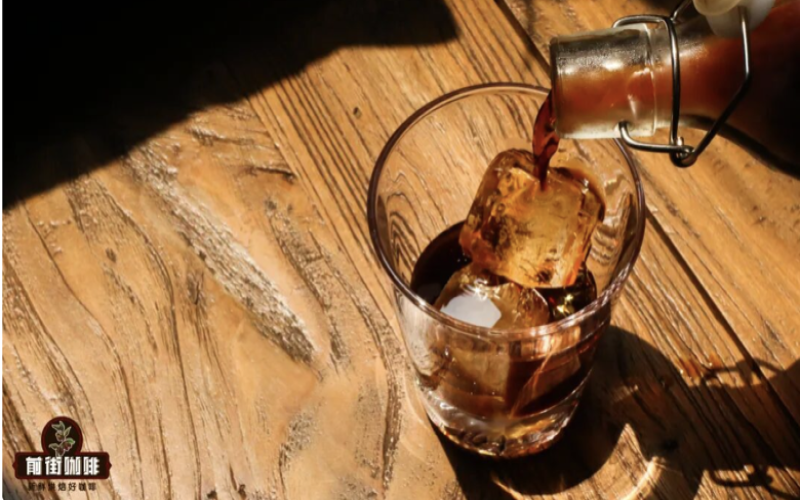
Flavor Experiment with Low-Temperature Slow Extraction: Differences in Cold Brew Across Different Processing Methods
The most fascinating thing about cold brew is that it works like a slow-motion projector: the flavor release that hot extraction completes in a few dozen seconds is stretched out over more than ten hours, and the character of every flavor compound is amplified and put on display. Running a set of cold brew comparison experiments with beans processed in different ways lets you directly see how each processing method truly expresses itself at low temperatures. The experiment is set [more…]

Origin Selection for Cold Brew: Flavor Changes Under Low-Temperature Extraction
The charm of cold brew lies in how low-temperature slow extraction reshapes flavor—the same beans can taste completely different when hot-brewed versus cold-brewed. Understanding how beans from different origins change under low-temperature extraction gives you a deeper basis for choosing beans for cold brew. Light-roasted beans from African origins show the most noticeable changes in cold brew. Beans with bright acidity when hot-brewed, in cold brew [more…]
Introduction to Anaerobic Fermentation in Coffee | What Is the Anaerobic Fermentation Processing Method? What Is the Difference Between Anaerobic Natural, Anaerobic Washed, and Double Anaerobic Coffee Processing Methods?
Anaerobic Fermentation has been very popular in the coffee world in recent years, mainly because Sasa Sestic, the Australian competitor who won the 2015 WBC, started this trend, and even in 2018 WB [more…]

Black Coffee Brand Rankings | What Are the Top Ten Best-Tasting Coffee Beans? What Are the Signature Coffees of Panama, Ethiopia, and Jamaica?
Many friends have messaged Front Street privately, asking Front Street to introduce some representative good coffee beans. Front Street thought about it, and the most representative coffees are the more distinctive coffee beans from each major producing region. For this reason, Front Street has recommended 10 coffee beans from different producing countries. 1. Front Street Coffee (FrontSt [more…]
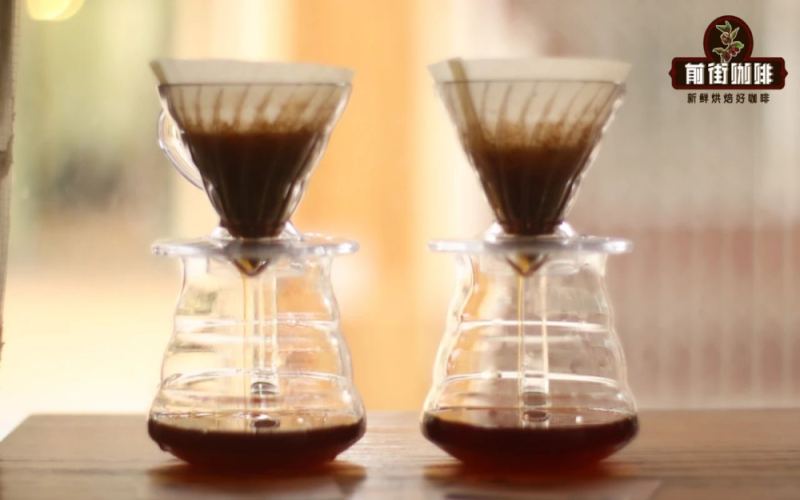
Cold Brew Iced Coffee Powder-to-Water Ratio | What Is the Method for Making Cold Brew Coffee? Which Coffee Bean Origins Are Suitable for Brewing Cold Brew Coffee?
Many people distinguish cold brew coffee from iced coffee. The reason is that what we understand as iced coffee is made by extracting with hot water, then adding ice or chilling it, turning the coffee from a hot temperature into iced coffee—this is the traditional concept. The biggest difference with cold brew coffee is that it uses cold water throughout the entire process, obtaining the coffee liquid through low-temperature extraction. [more…]
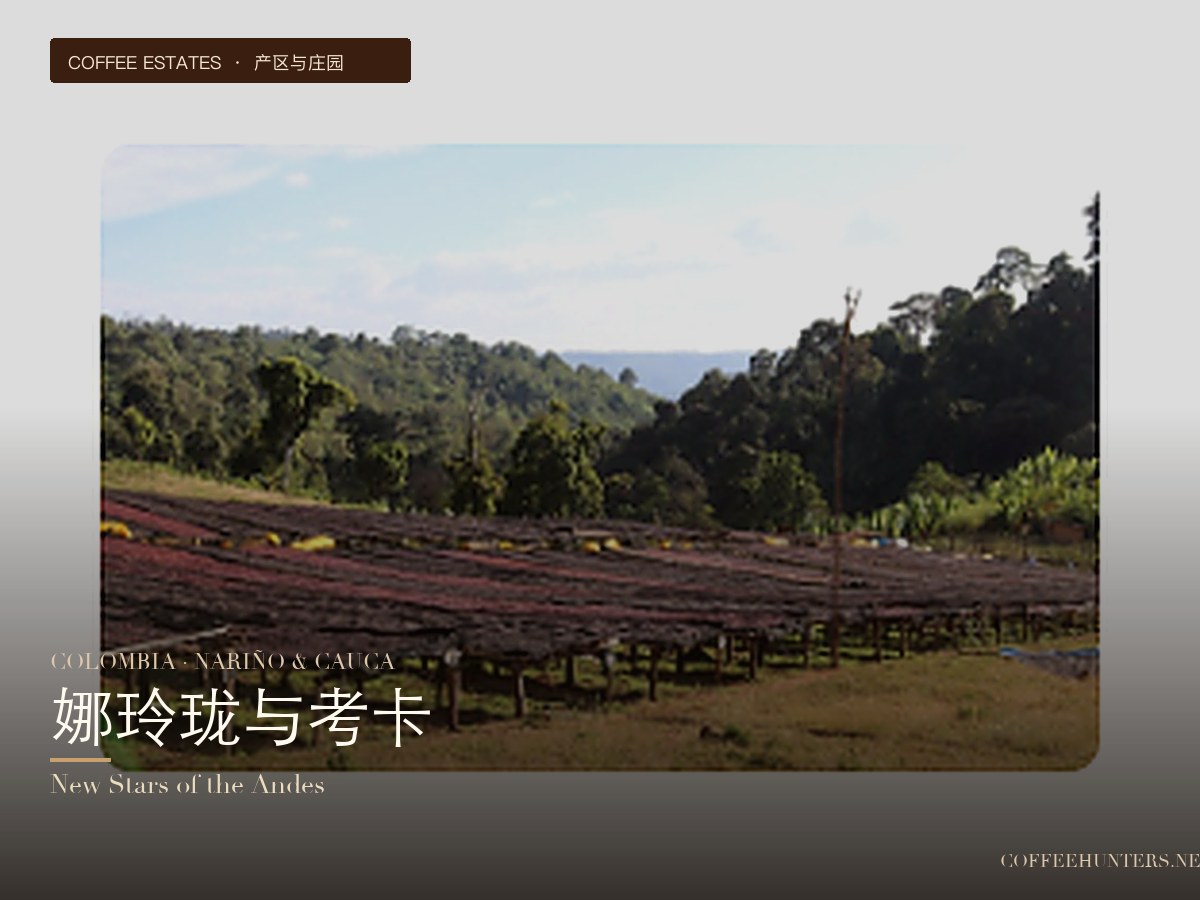
Colombia · Narino and Cauca: High-Scoring New Stars of Specialty Estates
Nariño and Cauca are two neighboring emerging specialty coffee regions in southern Colombia. The coffee produced here has, for consecutive years, earned high scores in the Cup of Excellence thanks to its full-bodied tartaric acidity, pronounced fruity notes, and complex layers. [more…]
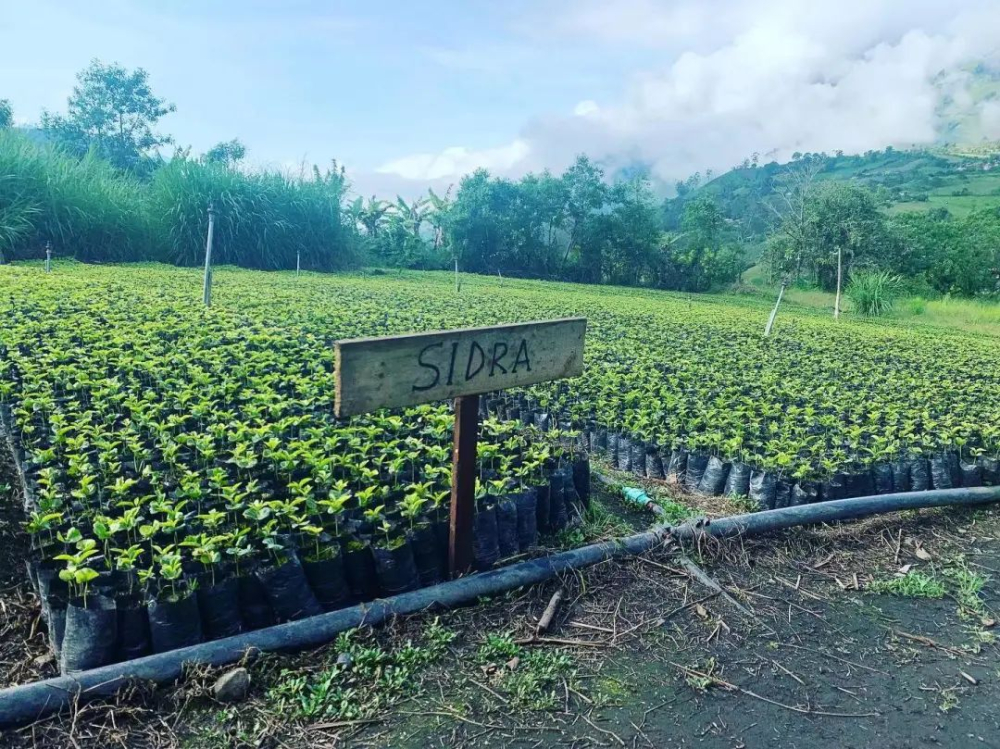
Colombian Sidra Coffee Beans | Flavor Characteristics of Anaerobic Fermentation Sun-Dried Sidra Coffee Beans and Introduction to the Sidra Coffee Variety
"Variety" is another consideration some friends use when selecting coffee beans, in addition to flavor and origin. Sidra, transliterated from "Sidra," also known as "Sydra" or "Bourbon Sidra." In Spanish, Sidra means "apple juice." [more…]
The Flavor Spectrum of Experimental Processing Methods: From Barrel Fermentation to Anaerobic Maceration
Anaerobic natural, lactic fermentation, barrel-aged, yeast inoculation—the vocabulary of specialty coffee processing methods has exploded in recent years, and coffee menus increasingly read like a brewery's process manual. These experimental processing methods are not marketing coinages; each one corresponds to a genuine technological innovation. This article maps out the mainstream lineage and examines "flavor alchemy." [more…]
Panama Elida Estate | What is Elida ASD Slow Anaerobic Natural Processing? Flavor Profile of Elida Catuai Coffee Beans and Pour-Over Coffee Extraction Parameters
Although the variety of beans displayed at Front Street's store isn't exactly extensive, it's not small either. There are always customers who, unsure how to choose, ask Front Street: "Which bean do you personally prefer?" Recently, customers have often asked Front Street this very question. To be honest, every bean has its own unique character. [more…]
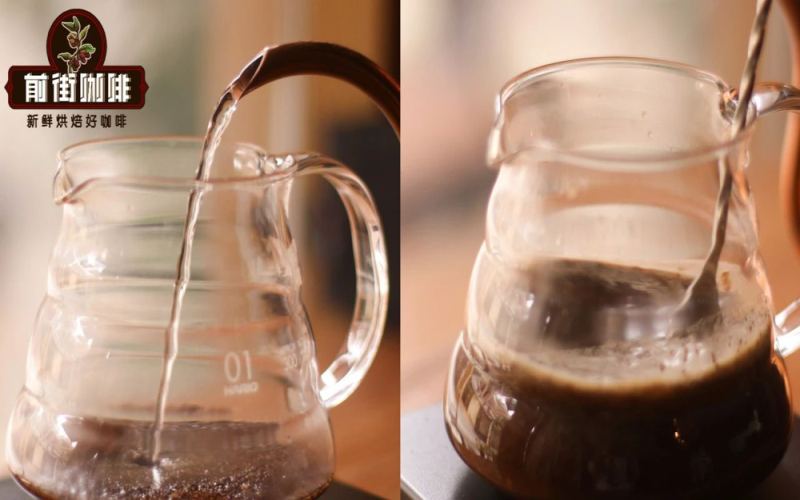
Cold Brew Coffee Recipe Illustrated | What's the Coffee-to-Water Ratio for Cold Brew Iced Coffee? Four Single-Origin Coffee Beans Recommended for Cold Brew
Many people distinguish cold brew coffee from iced coffee, because what we understand as iced coffee is the traditional concept of extracting with hot water, then adding ice or chilling it, turning the coffee from hot to iced. The biggest difference with cold brew coffee is that it uses cold water throughout, extracting at low temperature to obtain the coffee liquid. [more…]
Ice Drip Coffee | Which coffee bean origin is recommended for making ice drip coffee? The origin and story of ice drip coffee
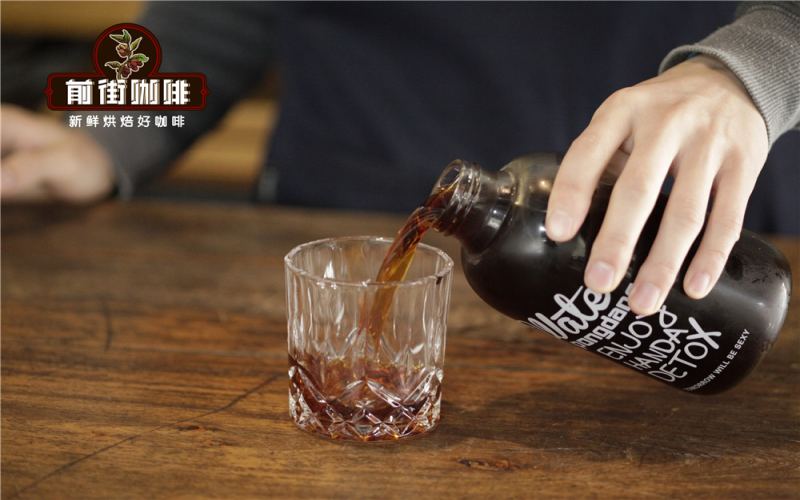
Ice drip coffee, also known as ice-brewed coffee or water-drop coffee, is called Ice Drip coffee in English and is a method of making coffee drinks. Generally, cold brew coffee refers to coffee made by steeping ground coffee beans in room-temperature water for as long as ten-plus hours, after which special filter paper or a filter is needed to separate the water from the coffee. [more…]
The Origin Story of Cold Brew Coffee | What Are the Flavor Characteristics of Low-Temperature Extracted Coffee? Which Single-Origin and Blend Beans Are Suitable for Making Cold Brew Coffee?
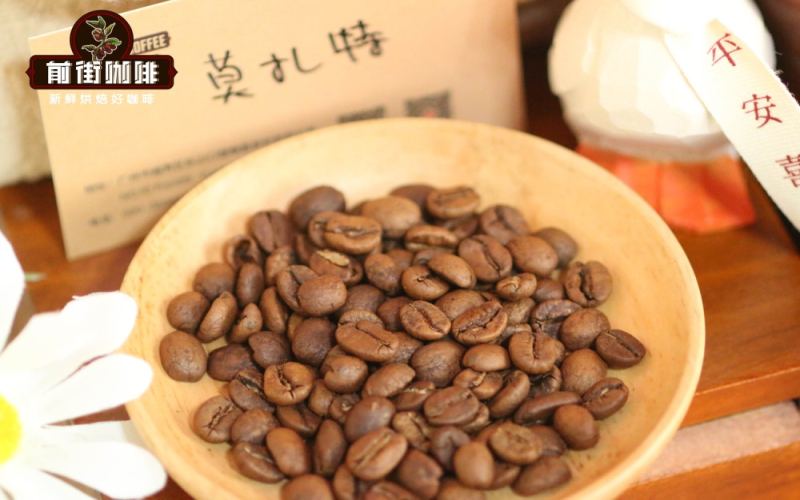
For more specialty coffee knowledge, please follow: Front Street Coffee (Frontsteet Coffee). Pour-over coffee has always been delicious, but of course you need to get some of the details right. Maybe it's time for a change of pace—then how about a cup of cold brew coffee! Front Street's cold brew coffee has always been very popular. [more…]
Advanced Cold Brew Bean Selection: How to Read Origin, Processing Method, and Roast Level
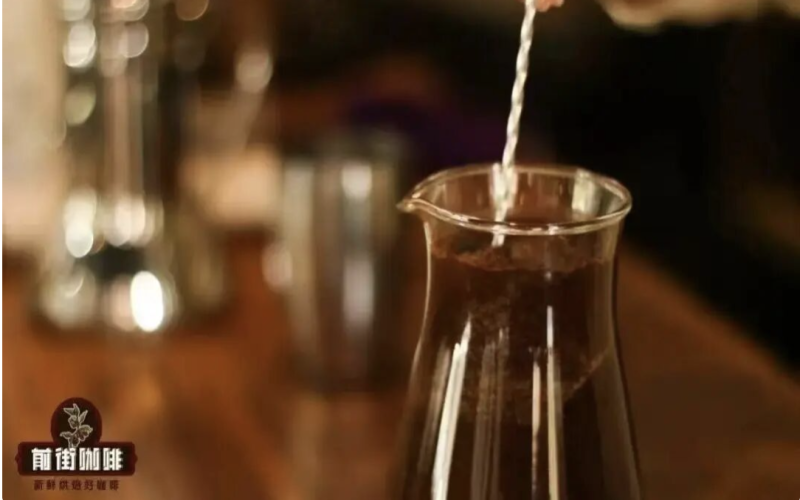
After trying a few cold brews, many people ask: with the same method, why do some cold brews taste like fruit juice while others taste like cold bitter water? The answer isn't in the method, it's in the beans. Today, we'll cover cold brew bean selection thoroughly in one go, from three dimensions: origin, processing method, and roast level. Origin determines the flavor baseline. Coffee beans from different origins have flavors [more…]

The Origin Story of Cold Brew Coffee | What Makes Cold Brew Coffee's Flavor Unique? How Does Cold Brew Coffee Differ from Pour-Over Hot Coffee in Taste and Mouthfeel?
For more specialty coffee knowledge, please follow: Front Street Coffee (Frontsteet Coffee). Iced coffee has a refreshing and palate-cleansing taste; even in the dead of winter, some customers come to Front Street to order this kind of iced coffee. Because iced coffee and hot coffee differ in extraction principles, the flavor of the coffee also differs. [more…]
Fruity Aroma Gene Bank: A Profile of Origins and Processing Methods Behind Floral and Fruity Coffee Beans
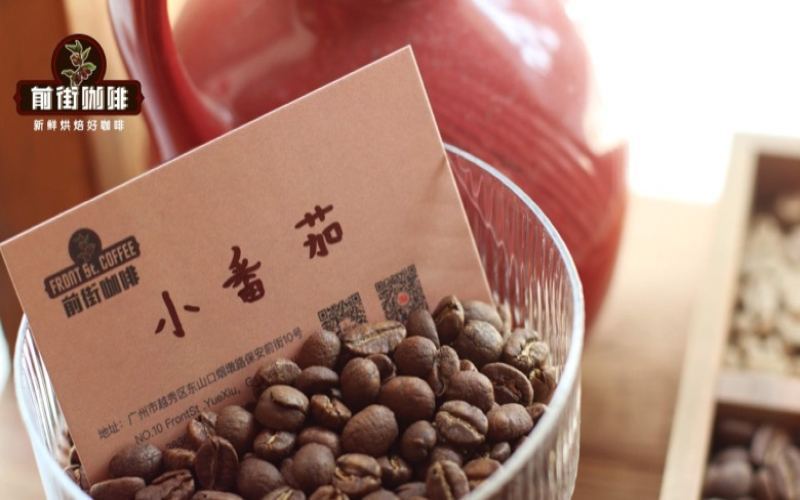
The floral and fruity aromas of coffee are not magic conjured by the roaster, but genes written into the terroir of the producing region and the processing method. Flip through the origin records of the mainstream floral and fruity bean varieties on the market, and you will find that behind every fruity note lies a traceable origin story. The opening volume of the records is Ethiopia. As coffee's [more…]
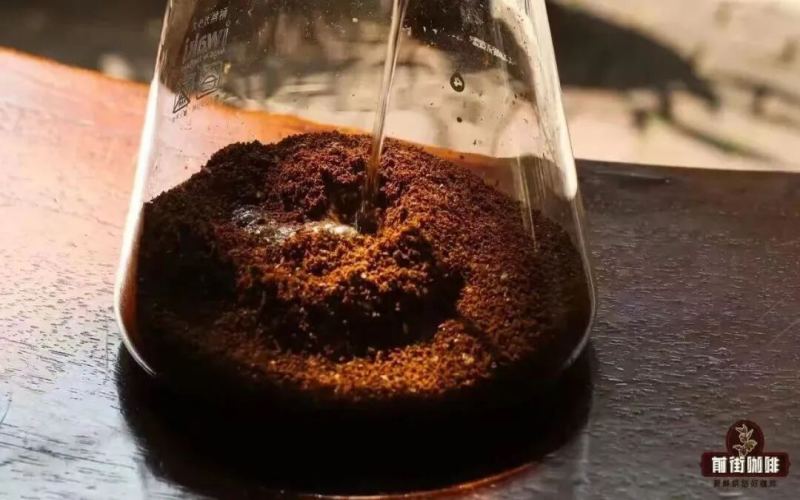
Cold brew coffee bean recommendations | How can coffee novices choose cold brew coffee beans based on personal taste? Which coffee beans are suitable for making cold brew?
Because cold brew coffee is made differently from regular hot-brewed coffee and needs to be prepared a day in advance, the cold brew sold at Front Street stores doesn't offer as rich a selection of coffee beans to choose from as pour-over does. But precisely because of this, when steeping cold brew, Front Street carefully selects beans that are better suited to cold brew and whose flavor is [more…]

Panama Geisha | How do Deborah Estate Savage Anaerobic Natural Geisha coffee beans taste? Is Panamanian Geisha coffee very expensive?
Panama is famous for Geisha coffee, one of the most expensive coffees in the world. Currently, on Front Street Coffee's bean list, the coffees from the Panamanian region are basically all Geisha coffee. Besides the renowned Geisha coffee from Hacienda La Esmeralda, there is also the Savi from Finca Deborah. [more…]
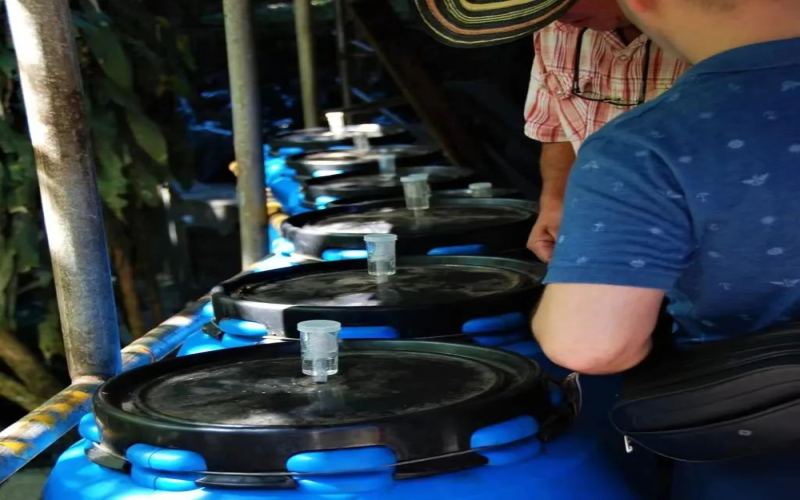
Coffee Enzyme Washed | What Is the Enzyme Washed Coffee Processing Method? How Does the Enzyme Washed Process Work? An Introduction to the Flavor and Taste Characteristics of Colombia Rose Valley Coffee
In recent years, there have been more and more innovative coffee processing methods, and new types of processing such as anaerobic processing, enzyme processing, and carbon dioxide maceration processing have begun to carve out a small niche for themselves. The enzyme-washed processing method that this article will introduce was met with mixed reviews when it first appeared, and now, years later, Front Street will take everyone back to observe this [more…]
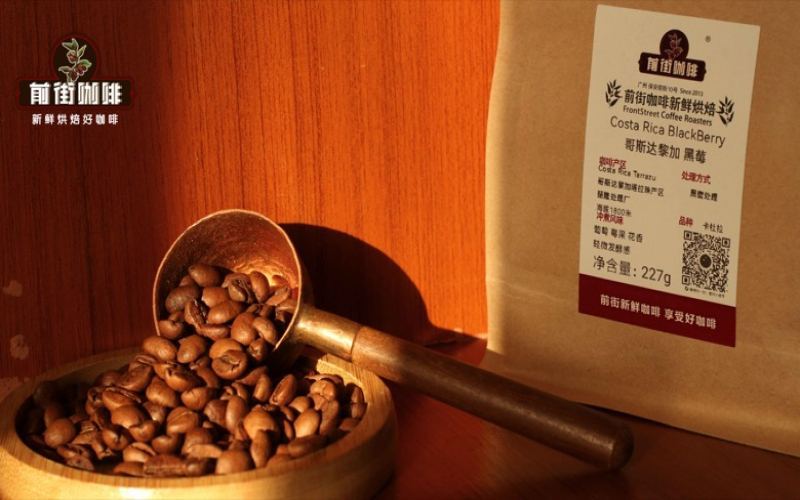
Beans with Tropical Fruit Flavors: The Sweet Aroma Code of Sun-Dried Fermentation
For coffee beans with tropical fruit flavors, the core of the flavor lies in the fermentation: the fermentation in natural processing transforms sugars into the sweet aromas of tropical fruit. Front Street Coffee's Kafa Forest has orange and apricot notes with an oolong tea-like finish, where the tropical sweetness carries a layer of tea-like freshness; Granja Estate's Geisha natural version, meanwhile, is a rich expression of guava and strawberry jam, [more…]
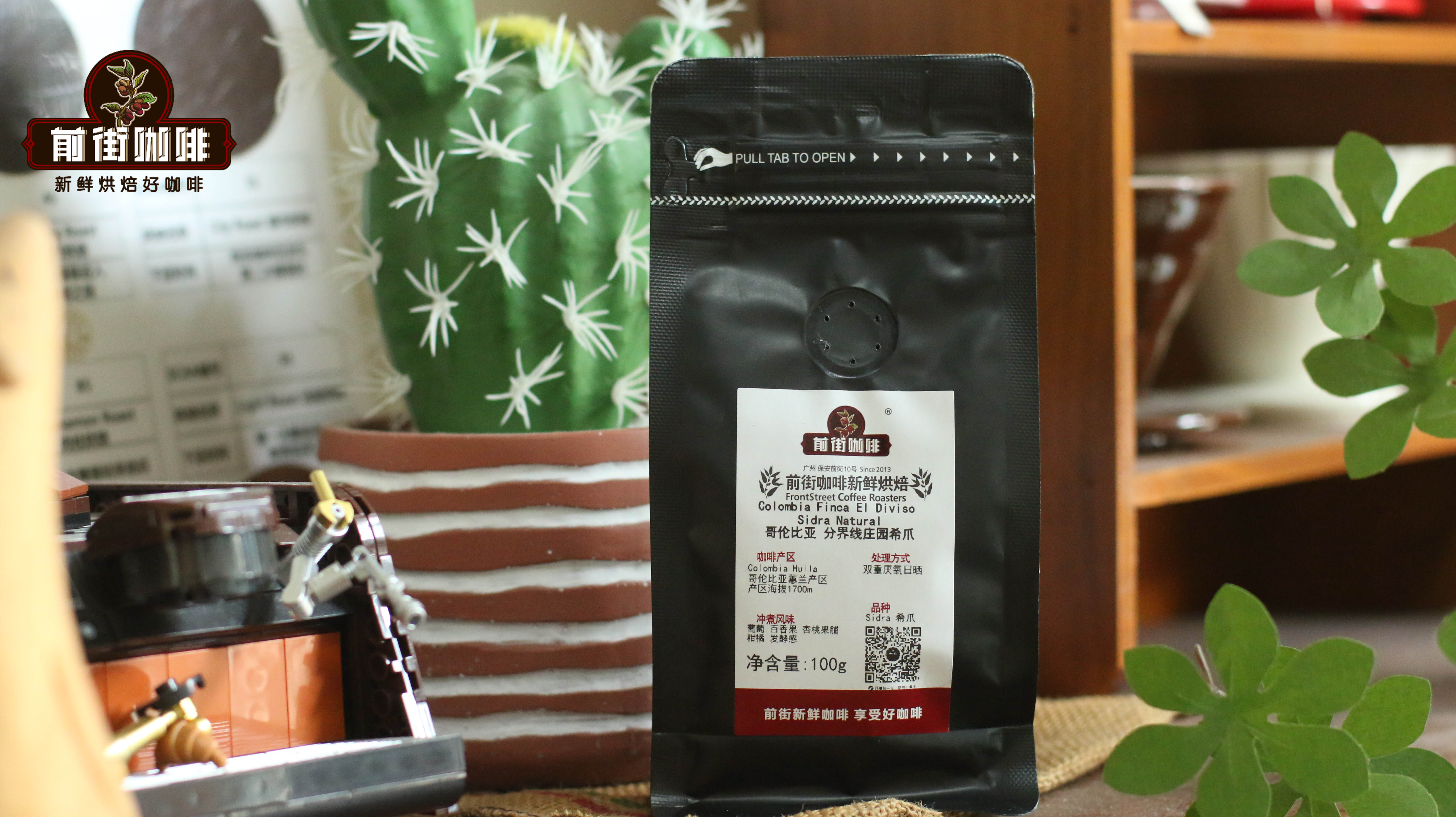
Ice Drip Coffee Beans | What are the techniques for making delicious ice drip coffee? What selected single-origin coffee beans are recommended for ice drip cold brew coffee?
Cold brew coffee refers to a method of slowly extracting coffee aromatic substances by evenly dripping ice water over coffee grounds under normal pressure. Since the low-temperature ice water does not easily extract the bitter substances from the coffee, and the slow flow rate greatly increases the extraction yield, cold brew has a rich but not bitter taste. If you choose a flavor that is more distinctive, [more…]